

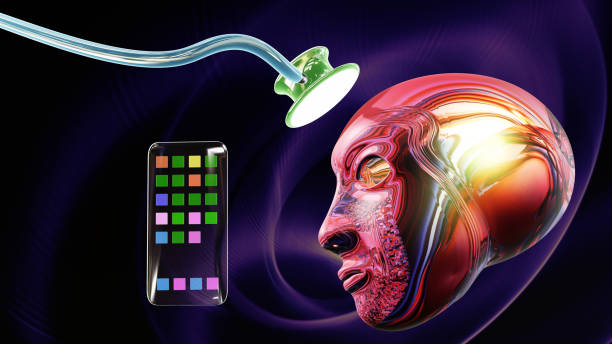
The integration of Artificial Intelligence and stethoscopes represents a groundbreaking advancement in healthcare technology. AI-enhanced stethoscopes don’t just listen to sounds—they analyze them in real-time. This combination could revolutionize how heart, lung, and other conditions are diagnosed. By combining the familiarity of a traditional stethoscope with the analytical power of AI, doctors can detect abnormalities more accurately and efficiently than ever before.
How AI is Revolutionizing Stethoscopes
Traditional stethoscopes rely on a doctor’s experience to interpret sounds. AI-powered stethoscopes, however, use advanced algorithms to identify patterns in heart and lung sounds, detect abnormalities, and even predict health risks.
Key Capabilities of AI-Powered Stethoscopes
- Enhanced Diagnosis: AI can detect conditions like heart murmurs, arrhythmias, or lung infections with high accuracy.
- Real-Time Analysis: Immediate feedback allows for on-the-spot diagnosis, which is critical in emergencies.
- Integration with Other Tools: These stethoscopes connect to apps or medical devices, enabling a more comprehensive health evaluation.
- Remote Monitoring: AI stethoscopes make telemedicine more effective by transmitting analyzed data directly to specialists, even if the patient is far away.
Applications of AI Stethoscopes
AI stethoscopes can play a pivotal role in a variety of settings:
- Primary Care: Doctors can use AI stethoscopes during routine check-ups to quickly screen for conditions like heart disease or chronic lung problems. This saves time and improves accuracy.
- Telemedicine: With AI-powered stethoscopes, patients in remote areas can consult doctors virtually. The device transmits clear audio and diagnostic data, bridging the gap between rural and urban healthcare.
- Critical Care: In hospitals, AI stethoscopes can assist in monitoring critically ill patients. Their real-time analysis helps detect deteriorating conditions early, enabling timely interventions.
Why AI Stethoscopes Matter for the Philippines
In the Philippines, access to healthcare can be limited, especially in rural areas. Many communities lack enough doctors or medical facilities. AI stethoscopes could significantly improve healthcare delivery in these regions.
How AI Stethoscopes Can Help in the Philippines
- Rural Healthcare: Nurses and midwives equipped with AI stethoscopes can diagnose conditions locally, reducing the need for patients to travel long distances to hospitals.
- Cost-Effective Solutions: These devices reduce the costs associated with diagnostic errors and delayed treatments.
- Training and Support: AI stethoscopes can also serve as educational tools, helping healthcare workers learn and improve diagnostic skills.
For example, a health worker in a rural village could use an AI stethoscope to identify tuberculosis, a common issue in the Philippines. The results could then be sent to a specialist for confirmation and advice, saving time and resources.
Key Features: Traditional vs. AI Stethoscopes
| Feature | Traditional Stethoscope | AI-Powered Stethoscope |
| Sound Clarity | Relies on the user’s skill | Noise-cancellation for clear results |
| Accuracy | Subjective interpretation | Objective, algorithm-based analysis |
| Data Storage | None | Stores and tracks patient history |
| Remote Accessibility | Not possible | Data can be shared remotely |
| Cost | Affordable | Higher initial investment |
Challenges in Implementing AI Stethoscopes
Despite their potential, there are hurdles to overcome:
- High Initial Costs: AI stethoscopes are expensive compared to traditional ones. This could be a challenge for low-income communities.
- Training Needs: Healthcare workers must learn to use these advanced tools effectively.
- Internet Dependence: Many AI stethoscopes rely on cloud connectivity, which may be limited in rural areas of the Philippines.
However, as technology becomes more affordable and accessible, these barriers could diminish.
Future Applications of AI Stethoscopes
The future of AI in stethoscopes is promising, with possibilities like:
- Disease Prediction: AI algorithms could predict risks for conditions like stroke or heart attack based on sound patterns.
- Integration with Wearables: AI stethoscopes could sync with smartwatches and fitness trackers, offering a complete health monitoring system.
- Global Access: Initiatives to provide AI stethoscopes in underserved regions could make healthcare more equitable worldwide.
Countries like the Philippines, with large rural populations, stand to benefit significantly. Such technology could make healthcare more inclusive, bridging gaps between urban hospitals and remote communities.
Conclusion
The partnership between Artificial Intelligence and stethoscopes has the potential to transform healthcare as we know it. From improving diagnostic accuracy to reaching underserved populations, this innovation is a game-changer. For the Philippines, AI-powered stethoscopes offer hope for better healthcare, especially in rural areas.
As AI technology evolves, it will become more accessible and affordable. Whether you’re a doctor, nurse, or patient, this technology promises a brighter, healthier future. The stethoscope of tomorrow is here today—ready to listen, learn, and save lives.
