

When you think of a doctor, one of the first tools that comes to mind is the ear stethoscope. This simple yet powerful device has been a symbol of healthcare for centuries. But what exactly is an ear stethoscope, and why is it so important? In this article, we’ll explore how it works, its uses, and even touch on its role in places like the Philippines. Let’s dive in!
What Is an Ear Stethoscope?
- An ear stethoscope is a medical device used to listen to sounds inside the body. Doctors, nurses, and healthcare workers use it to check heartbeats, lung sounds, and other vital functions. It helps in diagnosing medical conditions like heart murmurs and breathing problems.
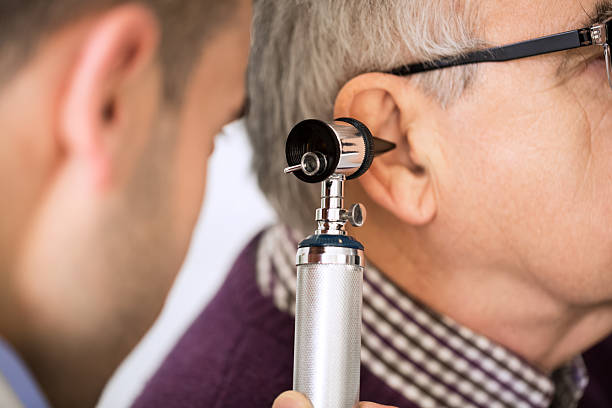
- Unlike traditional stethoscopes, an ear stethoscope may refer to an otoscope (used to examine the ear canal) or a specialized stethoscope with enhanced earpieces for better sound clarity.

Step-by-Step Process of How It Works:
- Placement: The doctor places the chest piece on the patient’s skin.
- Sound Detection:he stethoscope picks up vibrations from the heart, lungs, or other organs.
- Sound Transmission: – The tubing carries these vibrations to the earpieces.
- Amplification:nThe diaphragm and bell enhance the sounds for better diagnosis.
Why Is the Ear Stethoscope Important?
The ear stethoscope is a must-have tool for doctors, nurses, and even veterinarians. Here’s why:
- Early Detection: It helps catch health problems early, like irregular heartbeats or lung infections.
- ChesPiece: – The round metal part placed on the patient’s body to pick up sounds.
- Diaphragm and Bell:l: The diaphragm picks up high-frequency sounds, while the bell detects low-frequency sounds.
- Tubing:g: Transfers sound from the chestpieceto the earpieces.
- Earpieces::it snugly in the ears to block outside noise and deliver clear sound.
How Does an Ear Stethoscope Work?
- An ear stethoscope works by amplifying internal body sounds. It consists of the following parts:
- Non-Invasive: It’s a painless way to check your health.
- Portable: Doctors can carry it anywhere, from hospitals to remote villages.
In countries like the Philippines, where healthcare access can be limited in rural areas, the ear stethoscope is a lifesaver. It allows healthcare workers to provide basic care without needing expensive equipment.
Types of Ear Stethoscopes
Not allstereoscopess are the same. Here’s a quick comparison of the most common types:
| Type | Best For | Example Use |
| Acoustic Stethoscope | General check-ups | Listening to heart and lung sounds |
| Electronic Stethoscope | Amplifying faint sounds | Detecting murmurs or abnormalities |
| Fetal Stethoscope | Monitoring unborn babies | Checking a baby’s heartbeat |
Each type has its own strengths, but all serve the same purpose: to help doctors listen to your body.
How to Use an Ear Stethoscope
Using a stethoscope might seem simple, but it takes practice. Here’s how doctors do it:
- Place the chest piece on the area you want to listen to.
- Adjust the earpieces to fit snugly in your ears.
- Listen carefully for any unusual sounds.
For example, in the Philippines, community health workers often use stethoscopes to check for respiratory issues caused by air pollution or tropical diseases.
Fun Facts About Ear Stethoscopes
- The First Stethoscope:e: Invented in 1816 by René Laennec, the first stethoscope was made of wood and looked like a simple tube.
- Price Range:e: Modern stethoscopes can cost anywhere from $20 to over $300, depending on quality and features.
- Electronic Stethoscopes: Some advanced stethoscopes can record and amplify sounds, allowing doctors to analyze heartbeats and lung sounds more accurately.

Conclusion
The ear stethoscope is more than just a tool—it’s a bridge between doctors and patients. Whether you’re in a big city hospital or a small clinic in the Philippines, this device plays a crucial role in keeping people healthy. Next time you see a stethoscope, you’ll know just how important it is!
By understanding how it works and why it’s used, you can appreciate the science behind this simple yet amazing tool. So, the next time a doctor listens to your heartbeat, you’ll know exactly what’s happening!
