

Congenital Hip Dysplasia (CHD), also called Developmental Dysplasia of the Hip (DDH), is a condition where the hip joint doesn’t form correctly in babies. Early detection is critical to prevent long-term problems like difficulty walking or arthritis. Among the many diagnostic tools, stethoscopes play a key role during routine physical examinations by helping doctors identify abnormal hip sounds.
What is Congenital Hip Dysplasia?
CHD refers to structural issues in the hip joint. In babies, the ball of the femur may not fit snugly into the hip socket. The condition can range from mild instability to severe dislocation. If left untreated, it can affect the child’s ability to walk or lead to joint pain later in life.
Causes of CHD
- Genetics: A family history of hip dysplasia increases the risk.
- Positioning in the womb: Breech presentations (feet-first) often lead to DDH.
- Tight swaddling: Wrapping a baby’s legs too tightly can interfere with natural hip development.
Read More: Common Mistakes When Using a Stethoscope and How to Avoid Them
Common Signs of Hip Dysplasia in Babies
- A clicking or clunking sound in the hip joint.
- Uneven leg lengths.
- Difficulty moving one leg outward.
- Asymmetrical skin folds on the thighs or buttocks.
How Stethoscopes Help Detect Hip Dysplasia
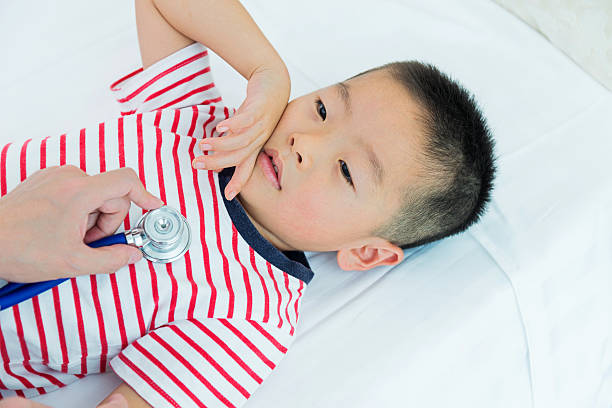
Stethoscopes are often used during routine physical exams to listen for “clicks” or “clunks” in the hip when the legs are moved. These sounds suggest that the hip joint is unstable or dislocated. Doctors typically combine this method with specific physical maneuvers, such as the Barlow and Ortolani tests, which test the stability of the hip joint.
Barlow Test: The doctor gently pushes the hip backward to check if it dislocates easily.
Ortolani Test: The doctor lifts and rotates the baby’s leg outward to see if the dislocated hip can be relocated.
Both tests are performed with a stethoscope to detect sounds indicating joint instability. If any abnormalities are found, further diagnostic tests like ultrasounds or X-rays are ordered.
Advanced Diagnostic Tools for CHD
Once suspected, additional methods are used to confirm the diagnosis:
| Tool/Method | Purpose | Details |
| Stethoscope | Detects abnormal hip sounds. | Used during the Barlow and Ortolani tests. |
| Ultrasound | Visualizes soft tissues in infants. | Especially useful in babies under 6 months. |
| X-rays | Examines bone alignment in older babies. | Not typically used for newborns due to underdeveloped bones. |
| Graf Classification for DDH | Categories severity based on ultrasound. | Assigns a numerical value to hip development for diagnosis and treatment. |
| Acetabular Index | Measures hip socket angle. | Helps assess whether the acetabulum (hip socket) is within the normal range. |
The acetabular index normal range is between 20-25 degrees in newborns. Angles outside this range can indicate hip dysplasia, requiring close monitoring or treatment.
Treatment Options for Developmental Dysplasia of the Hip (DDH)
Treatment depends on the baby’s age and the severity of the condition. Early intervention offers the best outcomes.
1. Pavlik Harness
The Pavlik harness is the first-line treatment for babies under six months. It gently holds the hips in a flexed and abducted position, promoting proper development of the hip joint.
- Benefits: Non-invasive and highly effective when used early.
- Challenges: Requires consistent use and regular adjustments by a doctor.
2. Closed Reduction
For babies older than six months, the doctor may manually reposition the hip joint under anesthesia. This is followed by placing the child in a cast to maintain the correct alignment.
3. Open Surgery
In severe cases or when other methods fail, surgery is required to correct the hip alignment. This involves repositioning the joint and possibly reshaping the socket.
Understanding the Graf Classification for DDH
The Graf classification system is used to categorize hip dysplasia based on ultrasound findings. This classification helps doctors determine the severity of the condition and plan treatment.

| Type | Description | Treatment |
| Type I (Normal) | The hip is properly aligned and developing normally. | No treatment is needed. |
| Type II | The hip is mildly shallow, requiring monitoring. | Pavlik harness for some cases. |
| Type III | The hip is dislocated, with the ball partially out of the socket. | Pavlik harness or closed reduction. |
| Type IV | Complete dislocation, requiring surgical intervention. | Surgery or open reduction. |
Why the Acetabular Index Matters
The acetabular index measures the angle of the hip socket. This angle is vital for understanding whether the hip joint is developing correctly.
- Normal Range: 20-25 degrees in newborns.
- High Angle: Suggests shallow sockets, often linked to DDH.
Orthopedic resources like acetabular index ortho-bullets provide detailed guidelines for interpreting this measurement and planning treatment.
FAQs
What is DDH in medical terms?
DDH stands for Developmental Dysplasia of the Hip, describing conditions where the hip joint fails to develop correctly.
What are the signs of congenital dislocation of the hip?
Signs include a clicking sound in the hip, uneven leg lengths, and limited leg movement.
What is the Pavlik harness used for?
The Pavlik harness positions the baby’s hips correctly, allowing the joint to develop naturally.
What is the acetabular index normal range?
The acetabular index should be 20-25 degrees in newborns. A higher angle may indicate hip dysplasia.
Conclusion
The role of stethoscopes in identifying congenital hip dysplasia cannot be underestimated. They serve as an essential tool during early screenings to detect abnormal hip sounds. Early diagnosis, paired with methods like the Pavlik harness and monitoring tools like the acetabular index, ensures effective treatment and a healthy future for your baby.
If you suspect any signs of hip dysplasia in babies, consult your doctor immediately for an evaluation. With timely care, most children recover fully and lead active lives. For more detailed medical guidelines, you can refer to tools like acetabular index ortho-bullets or the Graf classification system to better understand treatment pathways.
