
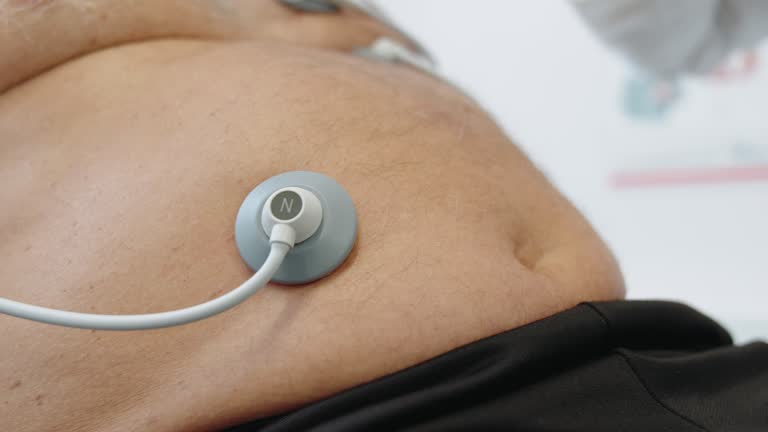
Auscultation of vascular bruits in the abdomen is a non-invasive diagnostic tool used by doctors to detect abnormal blood flow in major arteries. By listening with a stethoscope, doctors can identify a “bruit,” a sound caused by turbulent blood flow, which may indicate underlying vascular conditions. This guide dives deep into what abdominal bruits are, why they occur, and their significance in diagnosing health issues.
What Are Abdominal Bruits?
An abdominal bruit is an abnormal sound, similar to a whooshing or murmuring, heard when blood flow in an artery is disrupted. This turbulent flow often results from partial blockages, narrowing, or other structural abnormalities in the blood vessels. Abdominal bruits are most commonly detected over large arteries, such as the aorta and renal arteries.
What Does an Abdominal Bruit Sound Like?
The sound of an abdominal bruit resembles a high-pitched, blowing noise or a soft murmur. It is distinct from the normal bowel sounds of digestion, which are intermittent and gurgling. A bruit may be continuous or occur only during specific phases of the cardiac cycle (systolic or diastolic).
Why Is Auscultation of Abdominal Bruits Important?
Detecting abdominal bruits can help doctors diagnose serious conditions, including:

- Vascular diseases like atherosclerosis or aneurysms.
- Renal artery stenosis may cause high blood pressure.
- Peripheral artery disease, which affects blood flow to the limbs.
- Abdominal aortic aneurysm, which can be life-threatening if undiagnosed.
Step-by-Step Guide: How Doctors Perform Auscultation
Auscultation is performed systematically to ensure no significant area is missed. Here’s how:
- Positioning: You lie flat on your back, and the doctor places the stethoscope on your abdomen.
- Stethoscope Use:
- Bell: Used to detect low-pitched bruits, particularly in renal artery auscultation.
- Diaphragm: Used for high-pitched sounds.
- Listening Locations:
- Aorta: Midline above the navel.
- Renal Arteries: Slightly above and lateral to the navel.
- Iliac Arteries: In the lower abdomen, near the groin.
- Femoral Arteries: Just below the groin crease.
- Evaluation:
- Timing: Bruits may occur during systole, diastole, or both.
- Intensity and location: Help determine the severity and cause.
Locations Where Abdominal Bruits Are Commonly Heard
| Artery | Auscultation Location | Condition Indicated |
| Aorta | Midline above the navel | Aneurysm or atherosclerosis |
| Renal Arteries | Upper abdomen, 1–2 inches lateral to the navel | Renal artery stenosis |
| Iliac Arteries | Lower abdomen, near the groin | Peripheral artery disease (PAD) |
| Femoral Arteries | Below the groin crease | PAD or iliac artery stenosis |
What Causes Abdominal Bruits?
Bruits occur when blood flow through a vessel is abnormal, often due to narrowing, blockages, or increased blood volume. Common causes include:
- Atherosclerosis: Fatty deposits in the arteries restrict blood flow, causing turbulence.
- Renal Artery Stenosis: Narrowing of arteries supplying the kidneys, leading to high blood pressure.
- Abdominal Aortic Aneurysm: Bulging of the aorta, often silent but potentially fatal if it ruptures.
- Hyperdynamic Circulation: Increased blood flow during pregnancy, fever, or hyperthyroidism.
- Tumors: Masses pressing on blood vessels can disrupt normal flow.
- Congenital Vascular Abnormalities: Present from birth, these can cause lifelong issues.
Symptoms Associated with Abdominal Bruits
You may not always notice symptoms, but when present, they may include:
- Abdominal pain: Often localized and may worsen with exertion.
- Pulsating sensation: Especially in the abdomen, if an aneurysm is present.
- High blood pressure: Common with renal artery stenosis.
- Fatigue or dizziness: May indicate poor blood flow to vital organs.
Are Bruits Normal in the Abdomen?
In some cases, abdominal bruits may occur in healthy individuals, especially younger adults or during pregnancy due to increased blood flow. However, persistent or loud bruits often signal underlying vascular conditions. It’s important to consult your doctor if a bruit is detected.
Renal Bruit Auscultation: Bell or Diaphragm?
The bell of the stethoscope is often used for detecting low-frequency sounds like renal bruits. However, the diaphragm is equally effective for hearing high-pitched turbulence. A combination of both may provide the most accurate diagnosis.
Imaging vs. Auscultation: How Are Bruits Diagnosed?
While auscultation is a good screening tool, imaging is often needed for a definitive diagnosis.
| Method | Purpose | Advantages |
| Auscultation | Initial screening | Non-invasive, quick, inexpensive |
| Ultrasound | Visualizes blood flow in vessels | Provides detailed images, no radiation |
| CT Angiography | Confirms vessel abnormalities | Highly accurate, identifies the exact location |
| MRI Angiography | Detects narrowing/blockages | Safe for most, no radiation involved |
Femoral Artery Auscultation Location
Doctors auscultate the femoral artery in the groin area, just below the crease. This helps detect conditions like peripheral artery disease (PAD) or iliac artery narrowing. Listening here also complements findings from other areas of the abdomen.

Abdomen Auscultation Sounds: What Do They Indicate?
During abdominal auscultation, doctors can hear different sounds:
- Normal bowel sounds: Gurgling or rumbling sounds from digestion.
- Bruits: High-pitched whooshing sounds from arteries, indicating vascular issues.
- Absent sounds: May signal intestinal blockage or reduced blood flow.
Treatment and Next Steps
If a bruit is detected, the treatment depends on the underlying cause. Common approaches include:
- Lifestyle changes: Healthy diet, exercise, and quitting smoking for vascular health.
- Medications: Blood pressure control or cholesterol-lowering drugs.
- Surgery: For severe cases like aneurysms or significant artery narrowing.
- Monitoring: Regular follow-ups and imaging to track the condition.
Conclusion
Auscultation of vascular bruits in the abdomen is a simple yet powerful tool to identify blood flow abnormalities. While not all bruits indicate serious issues, they are a vital clue for diagnosing conditions like atherosclerosis, renal artery stenosis, or aneurysms. Early detection can save lives, so don’t hesitate to discuss concerns with your doctor.
Understanding abdominal bruit causes, symptoms, and diagnostic methods equips you to take charge of your health and seek appropriate care when needed.
