

The stethoscope is one of the most iconic tools in medicine. It helps doctors listen to the sounds inside your body, like your heartbeat and breathing. But have you ever wondered who invented the stethoscope?
René Laennec, a brilliant French doctor, invented it in 1816. His creation changed how doctors diagnose and treat illnesses. Let’s explore how he came up with this idea, what the first stethoscope looked like, and the legacy he left behind.
How Did René Laennec Invent the Stethoscope?
René Laennec invented the stethoscope out of necessity and creativity. In 1816, he was examining a young woman with heart problems. Back then, doctors used immediate auscultation, which meant placing their ears directly on the patient’s chest to listen to internal sounds. This approach wasn’t always effective; in this case, Laennec felt it was inappropriate.
Inspired by how sound travels through a hollow tube, Laennec rolled a piece of paper into a cylinder. He placed one end on the patient’s chest and listened through the other. To his amazement, he could hear her heartbeats more clearly. This simple solution sparked the invention of the stethoscope.
What Did the First Stethoscope Look Like?
The first stethoscope was very basic. It was a hollow wooden tube, about 10 inches (25 cm) long, and looked like a small trumpet. One end was placed on the patient’s chest, and the doctor listened through the other.
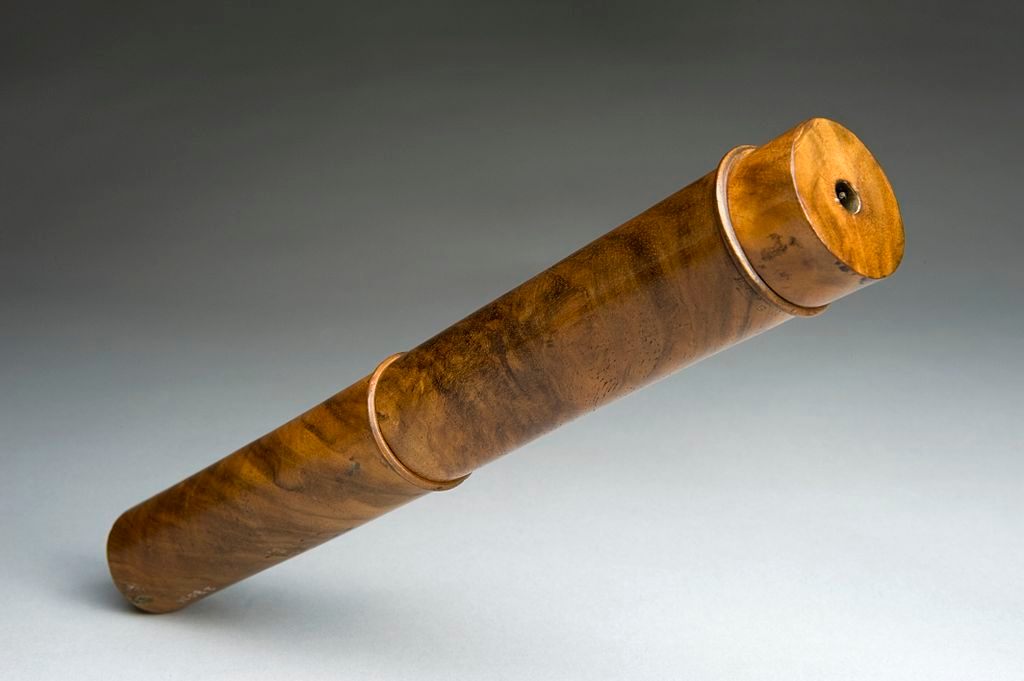
While it may seem primitive now, this wooden tube was groundbreaking at the time. It allowed doctors to hear heart and lung sounds more clearly and accurately diagnose diseases like tuberculosis and pneumonia.
René Laennec’s Life and Family
René Laennec, the inventor of the stethoscope, was born on February 17, 1781, in Quimper, France. His journey to becoming one of history’s most influential physicians was shaped by both personal hardships and remarkable achievements.
Early Life
René Laennec’s childhood was marked by tragedy. When he was just six years old, his mother passed away from tuberculosis. This devastating loss left a lasting impact on him and may have influenced his future work in studying lung diseases. After his mother’s death, his father, a lawyer, sent him to live with relatives.
Despite these early struggles, Laennec showed a natural talent for learning. He excelled in school and displayed a keen interest in medicine. At 19, he moved to Paris to pursue medical studies, quickly earning recognition for his intelligence and dedication.
Career and Achievements
Laennec became a respected physician, known for his careful observations and innovative thinking. In 1816, his invention of the stethoscope revolutionized the way doctors diagnose illnesses, especially diseases of the heart and lungs. He published his findings in 1819 in a book called De l’Auscultation Médiate, which remains a cornerstone of medical literature.
Marriage and Family
In 1818, René Laennec married Jacqueline Argou. Although not much is documented about their relationship, she was known to support him during his career and health struggles. The couple did not have children, but Laennec’s dedication to his work left a legacy that extends far beyond his family.
His personal life reflected his commitment to his patients and his passion for advancing medicine. His early experiences with illness and loss gave him a deep understanding of the human condition, which he carried into his practice.
How Did René Laennec Die?
René Laennec died on August 13, 1826, at the age of 45. Sadly, he passed away from tuberculosis, the very disease he had dedicated much of his career to studying.
It’s bittersweet to think that his invention, the stethoscope, became one of the most effective tools for diagnosing tuberculosis. Even though he didn’t live a long life, his contributions to medicine are still saving lives today.
Interesting Facts About René Laennec
- Musical Talent: Laennec was a skilled musician, which helped him understand how sound travels. This knowledge was key to inventing the stethoscope.
- Name of the Stethoscope: He named his invention “stethoscope” from the Greek words stethos (chest) and skopein (to observe).
- Combined Methods: Laennec used his stethoscope findings along with autopsies to better understand how diseases affect the body.
- Medical Pioneer: He also made significant discoveries about lung diseases, including tuberculosis and pneumonia.
Why Is René Laennec’s Invention Important?
Before the stethoscope, diagnosing diseases inside the body was mostly guesswork. Doctors couldn’t hear what was happening in the heart or lungs. René Laennec’s invention gave them a reliable way to listen to internal sounds, leading to more accurate diagnoses.
The stethoscope became an essential tool for identifying illnesses like heart disease and respiratory problems. Today, it’s a symbol of healthcare and trust between doctors and patients.
What Made Laennec’s Work So Revolutionary?
Laennec didn’t just invent the stethoscope—he also changed how doctors approach medicine. He believed in combining observations from the stethoscope with findings from autopsies. This method helped him understand diseases more deeply and share his knowledge with others.
His book, De l’Auscultation Médiate (On Mediate Auscultation), introduced the stethoscope to the medical world. It became a key resource for doctors and paved the way for modern diagnostic tools.
Conclusion
René Laennec’s invention of the stethoscope in 1816 was a turning point in medicine. This simple wooden tube revolutionized how doctors diagnose and treat diseases. Laennec’s creativity, dedication, and passion for helping others continue to inspire the medical world today.
Whether you’re curious about who invented the stethoscope or how it came to be, Laennec’s story shows how one idea can change the world. His legacy lives on in every stethoscope used by doctors and nurses worldwide.
