

Veterinary stethoscopes are essential tools in animal healthcare. They help veterinarians examine animals of all sizes, ensuring timely diagnosis and treatment. These specialized stethoscopes are designed for diverse animal anatomy, from the small chests of cats to the broad thoraxes of cattle and horses. If you work with animals or plan to, understanding these tools is a must.
Why Are Veterinary Stethoscopes Critical for Animal Health?
Unlike human stethoscopes, veterinary stethoscopes are tailored for animals. They help detect abnormalities in heartbeats, lung function, and even gastrointestinal activity. This is crucial because animals can’t explain their discomfort like humans can.
For example:
- Heart Monitoring: Detects irregular rhythms, murmurs, or cardiac issues.
- Respiratory Sounds: Identifies conditions like pneumonia or bronchitis.
- Digestive Activity: Pinpoints blockages, overactivity, or inactivity in the gut.
With early detection, you can treat conditions before they worsen. This improves the animal’s quality of life and reduces veterinary costs.
Key Features of Veterinary Stethoscopes
Choosing the right veterinary stethoscope means looking for features that suit your needs. Below are some critical elements:
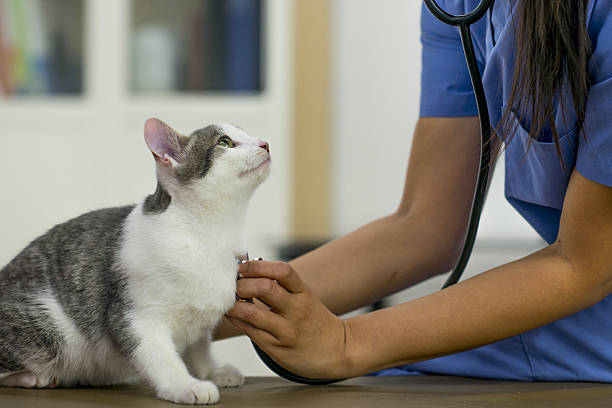
| Feature | Why It’s Important |
| Dual-headed Chest Piece | Switches between high and low frequencies for clear sound. |
| Adjustable Tubing Length | Ensures comfort when examining larger animals like horses. |
| Acoustic Clarity | Picks up faint heart and lung sounds, even in noisy areas. |
| Durable Materials | Withstands rigorous use in farms, clinics, and emergencies. |
| Noise Cancellation | Filters background noise for clearer diagnostics. |
When examining animals in noisy environments, like farms or open fields, noise cancellation and acoustic clarity are particularly valuable.
Different Types of Veterinary Stethoscopes
Veterinary stethoscopes come in various designs, each suited for specific purposes.
1. Standard Veterinary Stethoscopes
- Best For: Routine exams on pets or small animals.
- Features: Dual chest piece for high and low frequencies, lightweight.
- Limitations: Not ideal for larger animals or noisy environments.
2. Electronic Veterinary Stethoscopes
- Best For: Large animals or environments with background noise.
- Features: Amplifies sound, often including Bluetooth recording.
- Limitations: Expensive but worth it for professional use.
3. Pediatric Veterinary Stethoscopes
- Best For: Newborns and small species like birds.
- Features: Small chest piece and high precision for delicate exams.
4. Specialty Stethoscopes
- Best For: Exotic animals or specific conditions.
- Features: Designed for reptiles, amphibians, or small mammals.
Comparison: Standard vs. Electronic Stethoscopes
| Feature | Standard Stethoscope | Electronic Stethoscope |
| Amplification | Basic | High |
| Cost | Affordable | Expensive |
| Noise Reduction | Minimal | Excellent |
| Ideal For Large Animals | Limited | Perfect |
How to Use a Veterinary Stethoscope Effectively
Correct usage ensures accurate diagnostics. Here’s how to use one step by step:
- Select the Right Chest Piece: Use the diaphragm for high-pitched sounds (e.g., heartbeats) and the bell for low-pitched sounds (e.g., digestive movements).
- Position the Stethoscope Properly: Place it on the animal’s chest or abdomen. Ensure firm contact for clear sounds.
- Control the Environment: Reduce noise if possible. Animals may need calming techniques to stay still.
- Listen Patiently: Focus on subtle sounds, such as irregular heart rhythms or wheezing.
Veterinary Stethoscopes in the Philippines
In the Philippines, veterinary stethoscopes are widely used in rural and urban settings. Livestock, such as cattle and poultry, are vital to the economy. Farmers rely on veterinarians to ensure their animals’ health.
- Rural Areas: Stethoscopes help vets monitor livestock during routine checkups or outbreaks.
- Urban Clinics: Small animal clinics use them for pets like cats, dogs, and rabbits.
- Local Availability: Many suppliers in the Philippines offer affordable, high-quality stethoscopes suitable for local needs.
The demand for veterinary tools in the Philippines is growing, particularly in agricultural hubs like Batangas and Bukidnon.
Top Veterinary Stethoscopes in 2024
If you’re shopping for a veterinary stethoscope, consider these top picks:
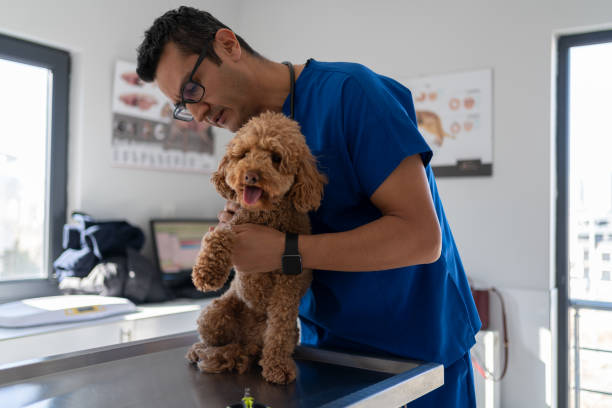
| Brand | Best For | Key Features | Price Range |
| Littmann Classic II | Small animals | Lightweight, great acoustic clarity | $120-$180 USD |
| Welch Allyn Harvey | Large animals | Durable, dual chest piece | $200-$300 USD |
| VetScope Pro | Beginners | Affordable, easy to use | $50-$100 USD |
| Eko Digital Stethoscope | Professional environments | Electronic amplification, Bluetooth | $300+ USD |
Tips for Choosing the Right Veterinary Stethoscope
- Consider Your Work Environment: Do you work indoors or outdoors? Choose noise-canceling features for noisy settings.
- Think About the Animals You Treat: Larger animals may require longer tubing and amplified sound.
- Set a Budget: Electronic models are more expensive but offer advanced features.
- Check Durability: Durable materials ensure longevity, especially for farm or field use.
Conclusion: A Must-Have Tool for Animal Healthcare
Veterinary stethoscopes are indispensable in ensuring animal health. They help you diagnose issues early, monitor treatments, and improve the quality of care for all animals. Whether you’re treating pets in an urban clinic or livestock on a farm in the Philippines, these tools make a significant difference.
Investing in a high-quality veterinary stethoscope is an investment in animal well-being and your career. By choosing the right stethoscope, you can provide better care and build trust with your clients.
