

In neurological emergencies, timing and accuracy are critical. Monitoring blood pressure plays a central role in managing conditions like strokes, head trauma, and seizures. Among the tools used for this purpose, the stethoscope stands out as a simple yet highly effective device.
This article delves into the role of stethoscopes in blood pressure monitoring during neurological emergencies, comparing methods, explaining their advantages, and highlighting their life-saving importance.
Why Blood Pressure Monitoring is Crucial in Neurological Emergencies
Blood pressure directly impacts the brain. A sudden spike (hypertension) or drop (hypotension) can lead to severe complications in neurological conditions. For example:
- Stroke: High blood pressure can worsen a hemorrhagic stroke, while low blood pressure can deprive the brain of oxygen during an ischemic stroke.
- Traumatic Brain Injury (TBI): Hypertension increases intracranial pressure, risking further damage to brain tissues.
- Seizures: Unstable blood pressure can be both a trigger and a consequence of seizures, requiring constant monitoring.
Accurate blood pressure readings guide doctors in administering medication, fluids, or other treatments to stabilize the patient.
How Stethoscopes Aid in Blood Pressure Monitoring
The stethoscope is commonly used with a sphygmomanometer for manual blood pressure readings. Here’s a detailed explanation of its process and importance:
Step-by-Step Process of Manual Blood Pressure Measurement
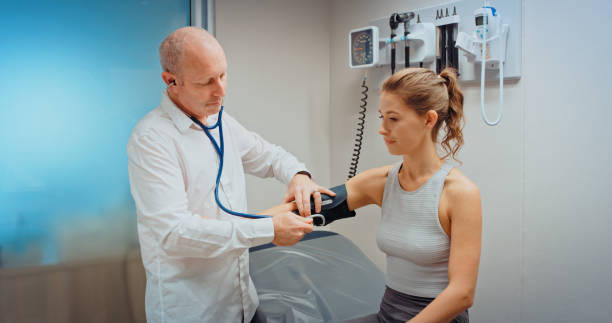
- Positioning the Cuff: The cuff is wrapped around the upper arm, ensuring a snug fit without cutting off circulation.
- Inflation: The cuff is inflated using a bulb pump until blood flow through the brachial artery stops, indicated by silence through the stethoscope.
- Deflation and Listening: Air is slowly released from the cuff. The doctor listens for specific sounds (Korotkoff sounds) through the stethoscope:
- The first sound indicates systolic pressure (when the heart beats).
- The disappearance of sound indicates diastolic pressure (when the heart rests).
This manual method is highly accurate and does not depend on electricity or batteries, making it ideal for emergencies.
Comparing Methods: Manual vs. Digital Blood Pressure Monitoring
In neurological emergencies, both manual and digital methods are used, but they have distinct strengths and limitations.
| Feature | Manual (Stethoscope) | Digital Monitors |
| Accuracy | Highly accurate when used correctly | May vary depending on the model |
| Speed | Takes longer due to manual operation | Faster for initial screening |
| Power Dependency | None | Requires batteries or power |
| Portability | Lightweight and easy to carry | Bulkier, less ideal in emergencies |
| Cost | Affordable | Generally more expensive |
| Ease of Use | Requires training | User-friendly, minimal training |
Manual methods using a stethoscope are often preferred in neurological emergencies because they are less likely to malfunction and provide reliable readings even in resource-limited settings.
When Are Stethoscopes Used in Neurological Emergencies?
1. Stroke Management
Blood pressure monitoring is critical in both ischemic and hemorrhagic strokes:
- Ischemic Stroke: High blood pressure can help maintain blood flow to the brain, but too much pressure can cause complications.
- Hemorrhagic Stroke: High blood pressure can worsen bleeding, making immediate monitoring essential.
2. Traumatic Brain Injury (TBI)
After a head injury, increased intracranial pressure (ICP) can lead to severe damage. Monitoring blood pressure with a stethoscope helps doctors balance ICP and ensure the brain gets enough oxygen.
3. Seizures and Epilepsy
Seizures can be triggered by blood pressure spikes or drops. During and after a seizure, doctors monitor blood pressure to identify patterns and provide treatment to stabilize it.
4. Post-Surgical Care
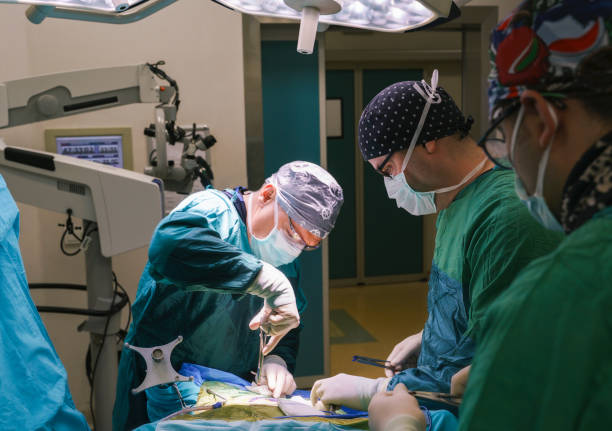
After neurosurgery, consistent monitoring ensures the patient’s recovery is on track and complications like swelling or bleeding are avoided.
Advantages of Using Stethoscopes in Neurological Emergencies
- Precision and Reliability: Stethoscopes allow for highly accurate readings, especially in critical situations where minor errors can have major consequences.
- Portability: Doctors can carry stethoscopes anywhere, from ambulances to remote locations. They are compact and lightweight, making them indispensable tools in emergencies.
- No Power Dependency: Unlike digital monitors, stethoscopes don’t rely on electricity or batteries, ensuring uninterrupted use in any situation.
- Cost-Effectiveness: Stethoscopes are more affordable than digital monitors, making them accessible to hospitals and clinics with limited resources.
- Versatility: Beyond blood pressure, stethoscopes are used to assess heart sounds, lung sounds, and more, making them multifunctional tools in emergency care.
Case Study: Role of Stethoscopes During Stroke Emergencies
Let’s consider an example:
A patient arrives at the ER with stroke symptoms. The doctor uses a stethoscope and sphygmomanometer to measure blood pressure. The reading shows extremely high blood pressure, confirming a hemorrhagic stroke. Immediate action is taken to lower the pressure using medication, preventing further bleeding and saving the patient’s life.
This case highlights the importance of accurate blood pressure monitoring with a stethoscope in determining life-saving interventions.
Conclusion: Stethoscopes as Lifesavers in Neurological Emergencies
Stethoscopes are indispensable in monitoring blood pressure during neurological emergencies. Their reliability, portability, and accuracy make them a trusted tool for doctors worldwide. Whether dealing with strokes, head trauma, or seizures, stethoscopes ensure timely and accurate readings that guide treatment decisions.
By understanding their importance, you can appreciate how this simple device contributes to saving countless lives in critical moments. As medical technology advances, the stethoscope remains a cornerstone of emergency care, bridging tradition and innovation.
