

Encephalitis, an inflammation of the brain, can be life-threatening in children if not detected early. Symptoms may mimic other illnesses, so accurate assessment tools are critical. A stethoscope, though primarily used for heart and lung evaluations, can provide essential clues to systemic infections or complications linked to encephalitis. Let’s explore in detail how this simple tool can aid in the early detection process.
Understanding Encephalitis and Its Symptoms
Encephalitis can result from viral infections, autoimmune disorders, or other causes. It is crucial to recognize early warning signs in children to prevent severe complications.
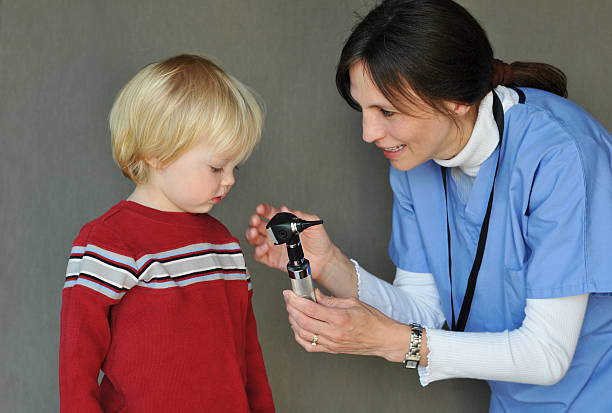
Common Symptoms:
- Neurological Symptoms: Confusion, irritability, seizures, or drowsiness.
- Physical Symptoms: Fever, headache, nausea, vomiting, and weakness.
- Behavioral Changes: Lethargy, difficulty waking, or a sudden change in responsiveness.
These symptoms warrant immediate medical attention, and tools like a stethoscope can assist in identifying contributing conditions.
How Can a Stethoscope Assist in Assessing Encephalitis?
Although a stethoscope doesn’t directly detect brain inflammation, it helps identify related systemic issues, such as respiratory infections, fever, or vascular abnormalities. These can either indicate or exacerbate encephalitis.
Key Areas to Assess Using a Stethoscope:
- Heart: Irregular heart rhythms or elevated heart rates can suggest fever or stress on the body from an underlying infection.
- Lungs: Crackles, wheezing, or decreased airflow may indicate respiratory infections often associated with encephalitis-causing pathogens.
- Carotid Arteries: Abnormal sounds like bruits may point to issues with blood flow, which can worsen neurological conditions.
Read More: How to Choose the Right Stethoscope for Your Medical Practice
Step-by-Step Guide to Using a Stethoscope for Encephalitis Assessment
- Prepare the Child: Ensure the child is calm and seated or lying down. Use a warm stethoscope for comfort.
- Listen to the Heart: Place the stethoscope on the chest and listen for irregularities. A high heart rate (tachycardia) often signals systemic infection or fever, which are common in encephalitis.
- Check Lung Sounds: Move the stethoscope to the back and chest. Listen for wheezing, crackling, or diminished breath sounds. These can indicate pneumonia or respiratory infections.
- Assess the Blood Flow: Use the stethoscope on the neck over the carotid arteries. Listen for unusual sounds like bruits, which might suggest vascular issues.
- Monitor for Fever Sounds: Indirectly, a stethoscope can reveal fever-related changes in the heart and respiratory patterns.
Comparing Tools for Encephalitis Diagnosis
While a stethoscope is an excellent initial assessment tool, additional diagnostic methods are required for confirmation.
| Tool | Function | Relevance to Encephalitis |
| Stethoscope | Evaluate heart, lung, and vascular sounds | Identifies systemic infections or abnormalities |
| MRI/CT Scan | Imaging of brain structure | Confirms swelling or lesions in the brain |
| Lumbar Puncture | Analyzes cerebrospinal fluid | Detects infections or inflammation markers |
| EEG (Electroencephalogram) | Monitors brain activity | Identifies seizures or abnormal brain signals |
| Blood Tests | Measures infection markers | Indicates systemic infections or autoimmune activity |
Common Causes of Encephalitis and Related Sounds Detectable with a Stethoscope
- Viral Infections: Viruses like herpes simplex or enterovirus can cause encephalitis. These may lead to respiratory symptoms like wheezing, detectable with a stethoscope.
- Autoimmune Disorders: Autoimmune encephalitis may present systemic signs such as elevated heart rate or blood flow irregularities.
- Bacterial Infections: Bacterial infections leading to encephalitis often involve pneumonia or sepsis, with characteristic lung or heart sounds.
- Complications of Meningitis: Encephalitis often overlaps with meningitis, which can present abnormal lung sounds from co-infections.
When to Escalate Care
If stethoscope findings indicate irregularities like rapid heart rate, abnormal lung sounds, or bruits, further diagnostic measures are essential:

- MRI or CT Scans: Confirm brain swelling or damage.
- Lumbar Puncture: Analyze cerebrospinal fluid for infection or inflammation.
- Hospital Monitoring: Ensure immediate care for severe symptoms like seizures or altered consciousness.
Prevention of Encephalitis in Children
To reduce the risk of encephalitis:
- Stay Vaccinated: Vaccines like MMR (measles, mumps, rubella) protect against certain causes.
- Practice Hygiene: Teach kids to wash hands frequently to avoid infections.
- Protect Against Mosquitoes: Use repellents to reduce exposure to viruses like West Nile.
Conclusion: Stethoscope Use in Assessing Encephalitis in Children
A stethoscope is a valuable tool in the early assessment of encephalitis-related symptoms. Identifying abnormalities in heart rate, lung function, and blood flow, it provides essential clues for further diagnosis. While it’s not a standalone solution, it bridges the gap between observation and advanced testing. Early detection saves lives, so always seek medical attention if you suspect encephalitis.
