
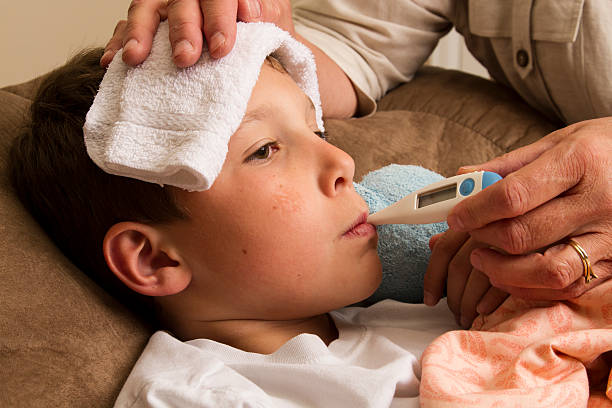
Pneumonia in children is a serious respiratory infection that commonly affects children, particularly those under five years old. It causes inflammation in the lungs, leading to difficulty breathing and other health complications. Early recognition of symptoms is vital to prevent severe outcomes. This guide explains everything you need to know, from identifying the stages of pneumonia to understanding recovery times, treatment methods, and prevention tips.
What is Pneumonia in Children?
Pneumonia in children is a condition where the lungs become infected, usually by bacteria, viruses, or, less commonly, fungi. The air sacs in the lungs fill with fluid or pus, making it harder for the child to breathe. This illness can range from mild to life-threatening, especially in younger children or those with weakened immune systems.
Stages of Pneumonia in a Child
Pneumonia doesn’t appear all at once. It develops in stages, each with its symptoms.
| Stage | Symptoms |
| Early or Mild Stage | Runny nose, low fever, mild cough, and tiredness. |
| Progressive Stage | Rapid or labored breathing, high fever, persistent cough, and chest pain. |
| Severe Stage | Bluish skin or lips, confusion, severe difficulty breathing, and lethargy. |
Acting early during the mild stage can prevent the illness from progressing to more severe stages.
Danger Signs of Pneumonia in Infants
Pneumonia in infants can escalate quickly, so it’s important to watch for specific warning signs:

- Faster than usual breathing rates: This is often the first noticeable symptom.
- Retractions: The skin around the ribs pulls in when breathing.
- Grunting sounds: This is a sign of respiratory distress.
- Refusal to eat or drink: Infants with pneumonia may lose interest in feeding.
- Fever or low body temperature: Both extremes are concerning in infants.
If these signs appear, seek medical attention immediately.
Assessing for Pneumonia in Children
Doctors rely on several diagnostic tools to assess pneumonia in children:
Pediatric Pneumonia History Taking:
A detailed medical history is essential. Doctors ask about recent colds, flu, exposure to sick individuals, and whether the child is vaccinated against pneumonia-related diseases like Haemophilus influenzae type B (Hib) or pneumococcal bacteria.
Physical Examination:
- Using a stethoscope, the doctor listens for abnormal lung sounds, like crackling or wheezing.
- Observe for visible signs of respiratory distress, such as rapid breathing or chest retractions.
Imaging Tests:
- Chest X-rays: These confirm the presence of fluid or pus in the lungs.
- Ultrasounds: In severe cases, ultrasounds may help identify lung complications.
Laboratory Tests:
- Blood Tests: To determine if the infection is bacterial or viral.
- Sputum Tests: If your child can cough up mucus, this sample may help identify the pathogen.
Types of Pneumonia in Children
Understanding the type of pneumonia your child has is essential for effective treatment.
| Type | Cause | Symptoms |
| Bacterial Pneumonia | Bacteria like Streptococcus pneumoniae. | High fever, fast breathing, and chest pain. |
| Viral Pneumonia | Viruses such as RSV or influenza. | Gradual onset with wheezing and fatigue. |
| Aspiration Pneumonia | Inhalation of food, liquids, or vomit. | Cough, difficulty swallowing, and fever. |
Each type requires different approaches to care and management.
Treatment of Pneumonia in Children
Treatment varies depending on the type and severity of pneumonia.
| Cause | Treatment |
| Bacterial | Antibiotics like amoxicillin or azithromycin are prescribed. |
| Viral | Supportive care, such as hydration, rest, and fever-reducing medications. |
| Aspiration | May require specialized treatments, including antibiotics or oxygen therapy. |
In severe cases, hospitalization may be necessary for oxygen support, intravenous fluids, or intensive monitoring.
Child Pneumonia Recovery Time
The recovery process for pneumonia depends on the child’s overall health and the severity of the infection.
- Mild cases: Recovery typically occurs within 1-2 weeks with proper care at home.
- Severe cases: It can take up to 4-6 weeks, especially if the child was hospitalized.
During recovery, ensure your child gets plenty of fluids, eats nutritious meals, and avoids physical exertion.
Pneumonia in Children Under 5
Children under five are more vulnerable to pneumonia because their immune systems are not fully developed. The World Health Organization (WHO) considers pneumonia the leading cause of death in children under five. Preventive measures like vaccines, proper nutrition, and hygiene can significantly reduce risks.
Preventing Pneumonia in Children
Here’s how you can protect your child from pneumonia:
- Vaccinations:
- Ensure your child receives the Hib and pneumococcal vaccines.
- The flu shot can also help prevent viral pneumonia.
- Hygiene:
- Teach your child to wash their hands frequently to avoid infections.
- Clean toys and surfaces regularly.
- Healthy Environment:
- Avoid exposing your child to cigarette smoke or polluted air.
- Keep their living space clean and well-ventilated.
- Good Nutrition:
- Provide a balanced diet to boost their immune system.
Conclusion: Recognizing and Managing Pneumonia in Children
Pneumonia in children is serious, but early detection and proper care can lead to a full recovery. By recognizing the stages, knowing the danger signs, and following your doctor’s advice, you can manage this illness effectively. Prevention through vaccines, good hygiene, and a healthy lifestyle is your child’s best defense against pneumonia.
